Pick the workflow
Prioritize use cases by value, data readiness, adoption risk, and integration complexity.
Enterprise AI works when it is designed around users, systems, controls, and measurable outcomes. AAIC keeps the path simple: choose a valuable workflow, prove it with real data, integrate it into the operating environment, and harden it for production.
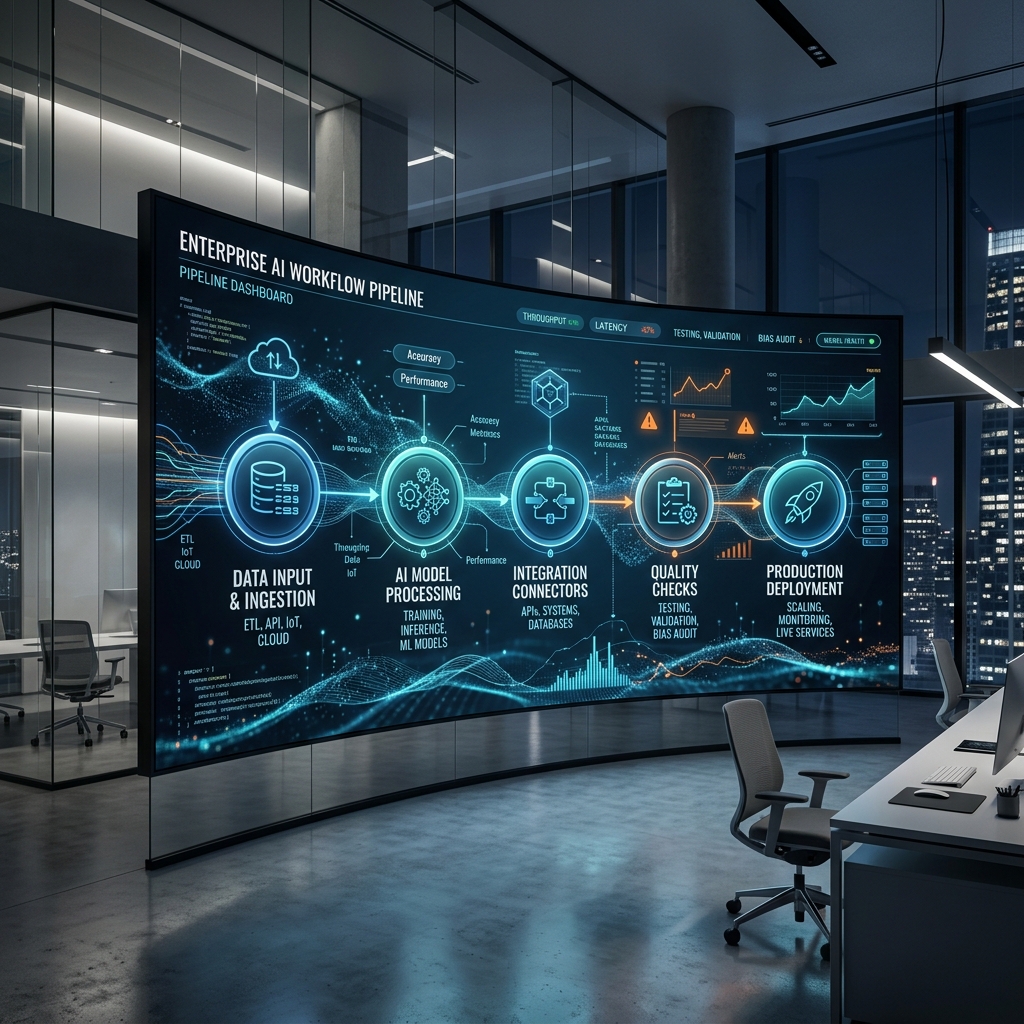
Prioritize use cases by value, data readiness, adoption risk, and integration complexity.
Design the agent, RAG, orchestration, evaluation, and human review pattern around the work.
Integrate with enterprise data, documents, APIs, SaaS tools, cloud services, and reporting layers.
Add guardrails, permissions, audit trails, monitoring, release checks, and continuous improvement.
AAIC focuses on workflows where AI can reduce cycle time, improve decision quality, or remove manual handoffs.

Summaries, risk views, portfolio insights, and leadership-ready narratives from multiple systems.

Read, compare, summarize, extract, and validate information from complex business documents.

Campaign insights, audience recommendations, creative summaries, and commerce reporting.
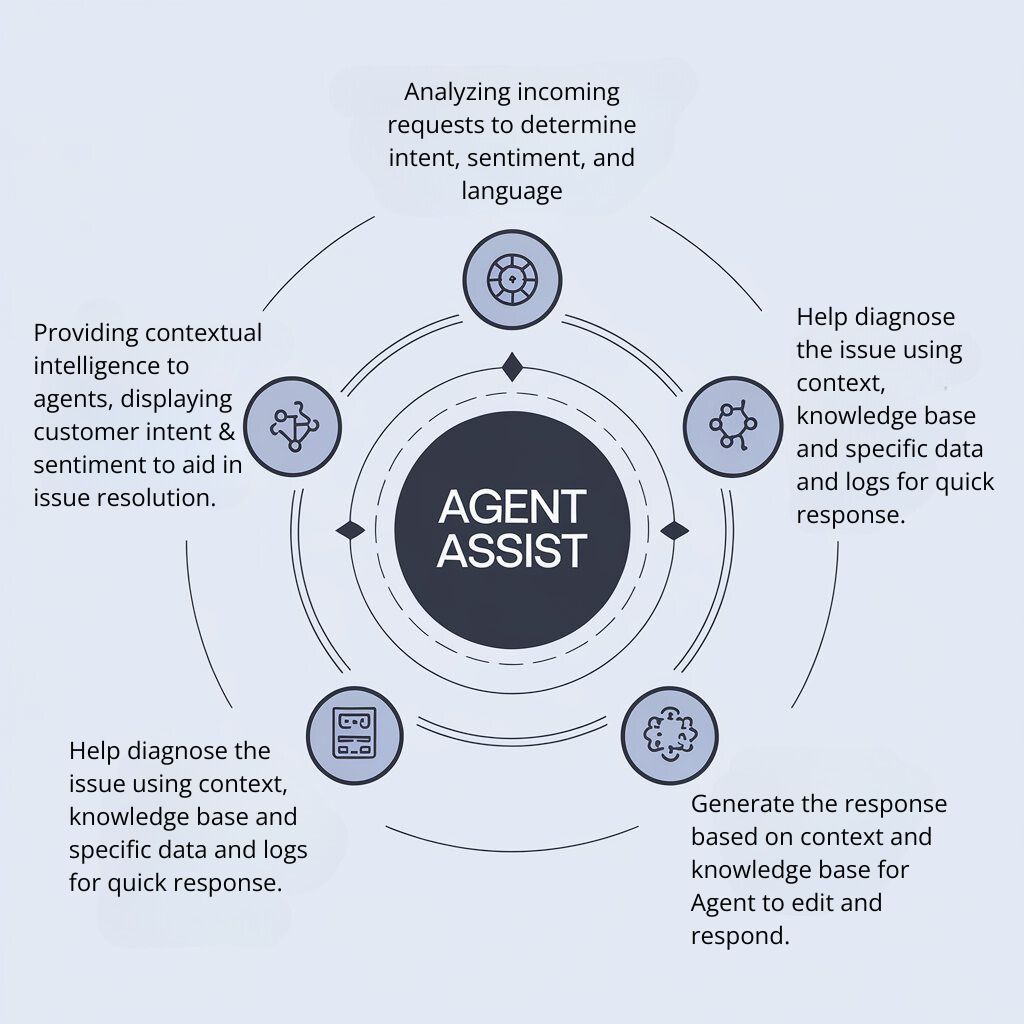
Live context, next actions, suggested responses, summaries, and escalation intelligence.

Correlate alerts, logs, metrics, deployments, tickets, and cloud context for faster investigation.
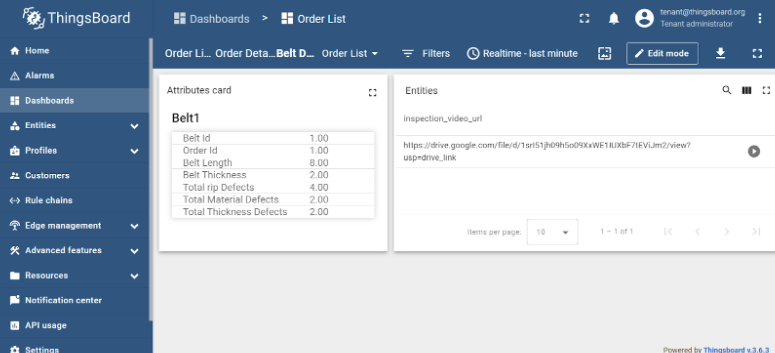
Defect detection, exception workflows, plant reporting, maintenance insights, and operational visibility.
Use accelerators when the goal is to move a real workflow into production without starting from a blank page.
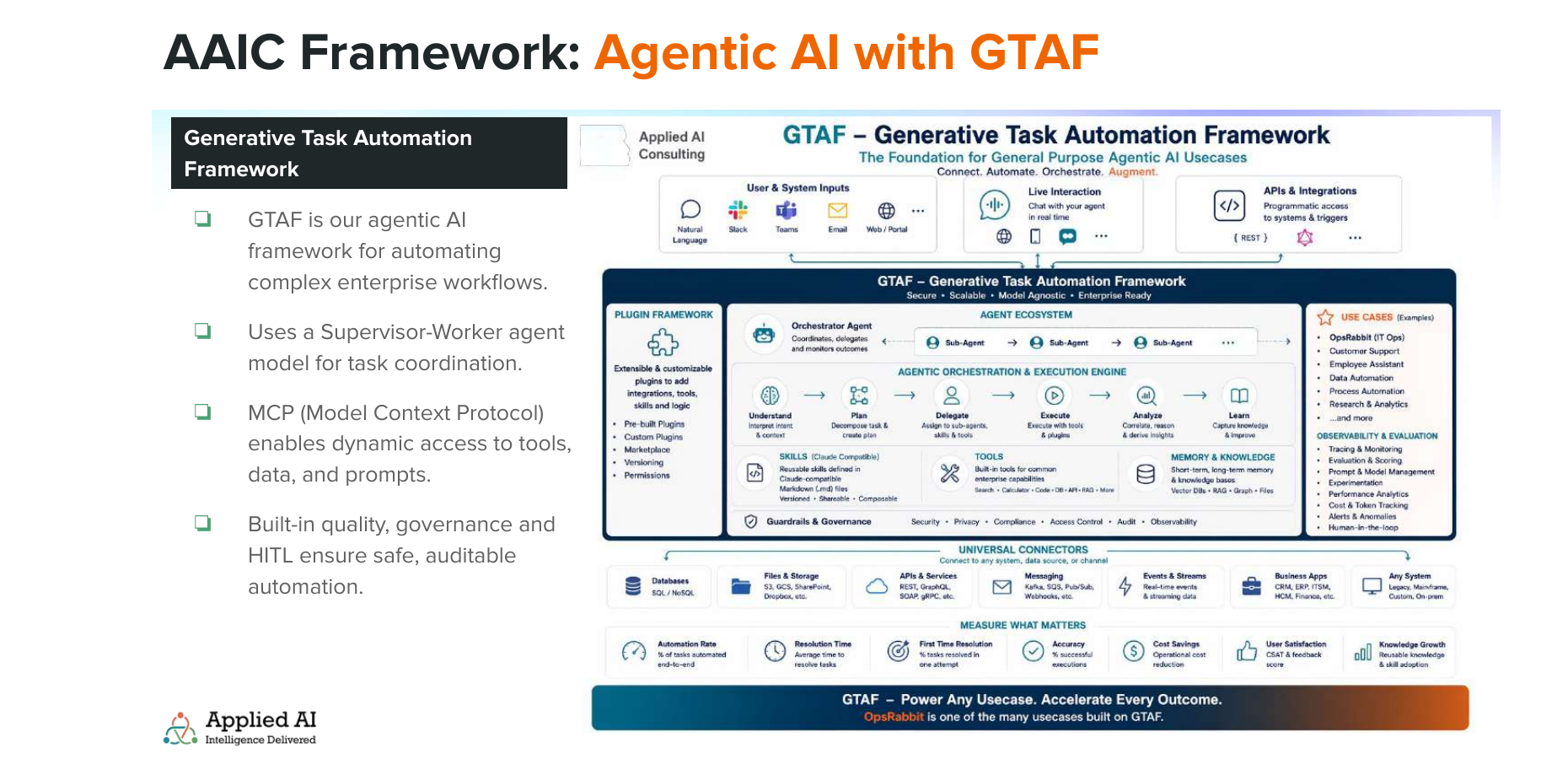
Reusable patterns for orchestration, integrations, human oversight, observability, and workflow delivery.
Explore GTAFCorrelates alerts, logs, metrics, deployments, and service context to accelerate incident investigation.
Explore OpsRabbitWe stay tool-flexible, but the production architecture is consistent: models, orchestration, retrieval, integrations, evaluation, and operations.
OpenAI, Claude, Mistral, DeepSeek, Gemini, AWS Bedrock, Azure OpenAI, and domain-specific options.
GTAF, LangGraph, LangChain, tool calling, workflow state, approvals, and multi agent orchestration.
RAG, vector search, enterprise search, document intelligence, knowledge graphs, citations, and access control.
RagaS, DeepEval, Great Expectations, RecallK, regression datasets, prompt checks, and release gates.
AWS, Azure, GCP, OCI, Snowflake, Databricks, PostgreSQL, MySQL, Oracle, APIs, and event pipelines.
Salesforce, ServiceNow, Jira, HubSpot, Teams, Slack, Google Workspace, SharePoint, and Confluence.
A dependable production architecture surrounds the model with context, tools, controls, evaluation, and operations.
Use the right model mix across commercial and open models. Route work by cost, risk, latency, data sensitivity, and output quality.
Ground AI in documents, databases, knowledge bases, data warehouses, tickets, and application data with permission-aware retrieval.
Coordinate agents that plan, retrieve, use tools, call APIs, validate outputs, manage state, and hand off to people.
Add prompt management, model evaluation, RAG quality tests, audit trails, permissions, cost visibility, and release gates.
Connect AI workflows to CRM, ERP, ITSM, support, finance, HR, collaboration tools, cloud platforms, and internal APIs.
AI transformation services help organizations identify high-value AI use cases, assess readiness, design agentic workflows, connect AI to enterprise systems, add governance, and move solutions from pilots into production.
A chatbot usually answers questions. Agentic AI can plan steps, retrieve context, use tools, call APIs, coordinate actions across systems, and involve humans for approvals when the workflow requires it.
AAIC supports CIO reporting, offer memorandum analysis, AI-driven campaign management, document intelligence, customer agent assist, manufacturing quality intelligence, ESG reporting, IT operations, and workflow automation.
AAIC works across digital commerce, ecommerce, fintech, financial services, insurance, mortgage, ESG, manufacturing, healthcare, life sciences, enterprise IT, sales, marketing, and customer operations.
We start with a scoped workflow, validate data and integration readiness, build a governed MVP, add evaluation and observability, and harden the workflow for production adoption.
We design production AI with human oversight, permissions, audit trails, data controls, evaluation, prompt and model management, observability, and escalation paths for sensitive actions.